
.svg)



Understanding PTSD and Trauma Responses


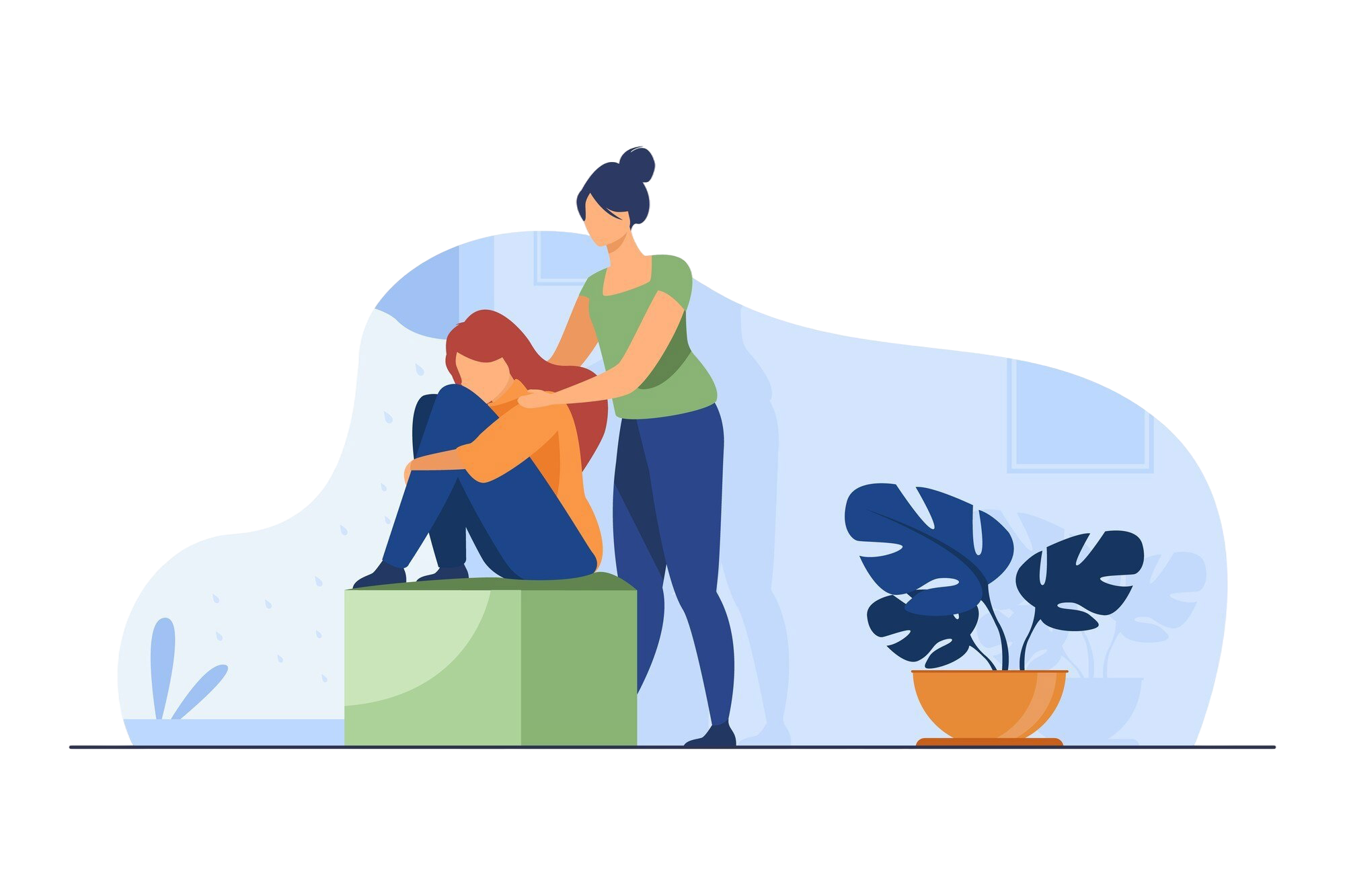
Trauma can affect far more than memories.
For many individuals, trauma may influence emotional health, stress responses, sleep, relationships, concentration, and the way the nervous system reacts to everyday situations long after a difficult experience has passed.
Post-traumatic stress disorder (PTSD) and trauma-related symptoms are increasingly recognized as important mental health concerns that can affect people of all backgrounds and life experiences.
At Better U, we believe trauma-informed mental healthcare starts with education, compassion, and understanding how the mind and body respond to stress.
What Is Trauma?
Trauma refers to the emotional, psychological, or physical response to deeply distressing or overwhelming experiences.
Traumatic experiences may include:
- Accidents or injuries
- Military combat
- Abuse or neglect
- Medical trauma
- Violence
- Natural disasters
- Sudden loss
- Chronic stress or repeated adverse experiences
Not everyone responds to trauma in the same way. Two people may experience the same event very differently depending on factors such as past experiences, support systems, nervous system sensitivity, and overall mental health.
Understanding PTSD
PTSD is a mental health condition that may develop after exposure to a traumatic event.
Symptoms can vary widely but may include:
- Intrusive memories or flashbacks
- Nightmares
- Hypervigilance or feeling constantly “on edge”
- Sleep disruption
- Anxiety or panic symptoms
- Emotional numbness
- Irritability
- Avoidance behaviors
- Difficulty concentrating
- Increased stress responses
For some individuals, trauma responses may appear immediately after an event, while others may notice symptoms developing gradually over time.
Trauma and the Nervous System
Trauma can affect how the nervous system responds to stress and perceived danger.
The body’s natural “fight-or-flight” response is designed to help people survive threatening situations. However, after trauma, the nervous system may remain in a heightened state of alertness even when danger is no longer present.
This may contribute to symptoms such as:
- Feeling constantly tense or unsafe
- Difficulty relaxing
- Sleep problems
- Emotional reactivity
- Increased sensitivity to stress
- Physical symptoms such as rapid heartbeat or muscle tension
Researchers continue studying how trauma affects brain function, stress hormones, memory processing, and emotional regulation.
Trauma Responses Are Not Weakness
Many people living with PTSD or trauma-related symptoms struggle with shame, self-criticism, or feelings of isolation.
It is important to understand that trauma responses are not signs of weakness or personal failure.
Trauma can affect both the brain and body in complex ways, and symptoms often reflect the nervous system’s attempt to adapt to overwhelming experiences.
Recognizing symptoms and seeking support can be an important step toward understanding available care options.
Treatment and Support Options
PTSD and trauma-related symptoms are highly individualized, and treatment approaches vary depending on each person’s needs, symptoms, medical history, and goals.
Support options may include:
- Therapy or counseling
- Trauma-informed psychotherapy
- Psychiatric evaluation
- Medication management
- Stress management techniques
- Sleep support
- Mindfulness and nervous system regulation practices
- Holistic psychiatry approaches
Mental healthcare providers may work collaboratively with patients to determine what combination of support may be appropriate.
The Growing Conversation Around Ketamine-Assisted Therapy
Researchers are also studying innovative mental health approaches for individuals experiencing PTSD and trauma-related symptoms.
One area receiving increased attention is ketamine-assisted therapy.
Ketamine has been used medically for decades as an anesthetic. More recently, researchers have studied ketamine and ketamine-derived treatments in relation to certain psychiatric conditions, including treatment-resistant depression and PTSD-related symptoms.
Research in this area remains ongoing, and ketamine-assisted therapy is not appropriate for everyone. Treatment should only occur under the supervision of qualified licensed healthcare professionals following individualized medical and psychiatric evaluation.
Potential risks, side effects, and long-term outcomes continue to be studied, and outcomes may vary between individuals.
At Better U, ketamine-related services are approached within a broader framework of personalized mental healthcare, clinical evaluation, education, and ongoing support.
Healing Looks Different for Everyone
Trauma recovery is highly personal, and there is no single path that works for everyone.
For many individuals, healing may involve improving emotional safety, developing coping tools, rebuilding routines, strengthening support systems, and exploring professional mental healthcare options over time.
At Better U, we believe trauma-informed care should be compassionate, individualized, and grounded in the understanding that mental wellness involves both the mind and body.
Learn more about Better U’s mental health and ketamine therapy services here:
https://www.betterucare.com
Disclaimer: The content on this page is for informational and educational purposes only and is not medical or psychiatric advice. It does not create a patient–provider relationship and is not a substitute for consultation with a licensed clinician. Some treatments discussed (including holistic, weight management, sexual health, ketamine or other innovative therapies) may involve off-label or non-FDA-approved uses and are not guaranteed to be safe, effective, or appropriate for you. Always talk with a qualified healthcare professional before making any changes to your care. Better U’s clinical team is available to provide personalized telemedicine appointments to determine which treatments, if any, may be appropriate for your individual situation.
Latest articles
Brain Fog: What Causes It?
Learn More About: Brain Fog: What Causes It?
The Role of Telemedicine in Modern Mental Healthcare

How Social Media May Affect Mental Health
.jpg)
What Burnout Really Looks Like